Your Winter Lawn Plan: Caring for a Fall-Hydroseeded Lawn in December and January
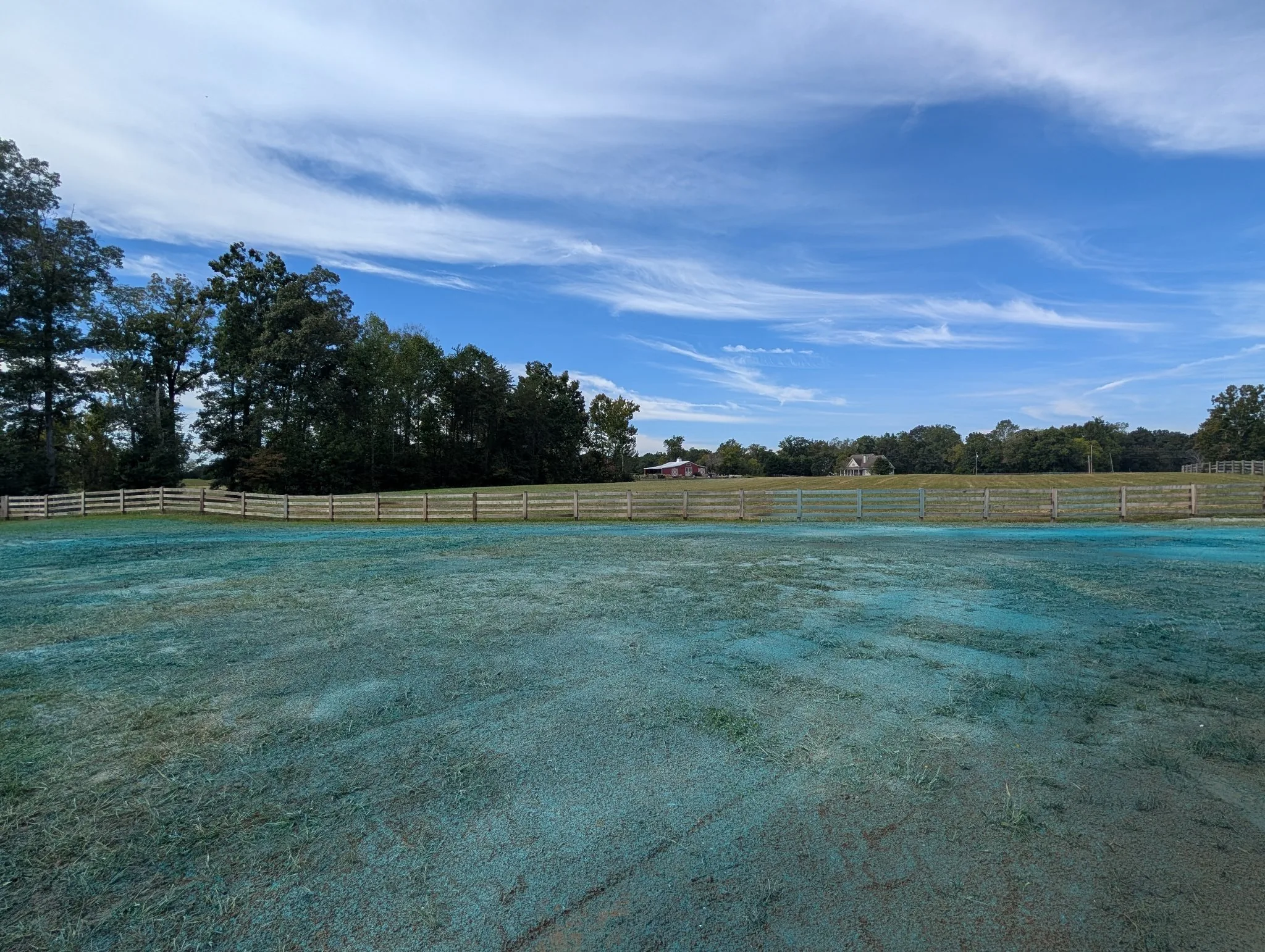
If your lawn was hydroseeded this fall in East Tennessee, winter is not the season to forget about it completely. It is also not the season to fuss over it like it is June. A young lawn in December and January needs a short, sensible plan: protect the roots you grew this fall, avoid a few common mistakes, and let cold weather do what cold weather does. Most of the work is restraint, observation, and keeping small problems from becoming bare ground by March.
First, understand what your grass is doing. Tall fescue slows its top growth when days get short and cold, but roots can keep growing in soil that is not frozen. That root growth is the quiet prize of fall seeding. A lawn that looks merely okay in December may be building the root system that carries it through next summer's heat. Judging a fall lawn only by its color or height in January misses the most important part of the story.
Watering changes with the season. In December and January around Knoxville, rain usually does most of the work, and the ground stays damp longer because evaporation is low. You do not need a summer watering schedule. What you should watch for is an unusual dry stretch combined with wind and no rain for a couple of weeks, especially on a very young lawn or a slope that dries fast. A light watering on a mild day during a genuine dry spell is enough. Never water when the ground is frozen.
Traffic is the winter enemy people forget. Soft, wet winter soil compacts easily, and a young lawn's roots are still shallow. Try not to park on it, pile firewood or building materials on it, or use the same muddy path across it every day to the mailbox. Frozen grass is brittle too, so heavy foot traffic on a hard frost can break blades. An occasional walk across the yard is fine. A daily shortcut worn into a young lawn all winter will show up as a bare stripe in spring.
Leaves and debris still matter. A thin scattering of leaves is harmless, but a matted layer left for weeks will smother young grass and invite disease in wet weather. Blow or gently rake leaves off when they build up, waiting for a day when the ground is not a mud pit. The same goes for fallen branches after winter storms. Clearing them promptly keeps the young stand from being crushed in one spot while the rest of the yard does fine.
Hold off on weed products and heavy feeding unless you have a specific plan. In particular, products containing weed-and-feed should never have been in the original hydroseed tank, because broadleaf herbicides can kill germinating seed, and winter is not the time to improvise with chemicals on a baby lawn either. A fall application already included starter fertilizer to get seed going. Spring is the time to assess feeding, weeds, and any thin spots with fresh eyes, not the middle of January.
Speaking of thin spots, note them but do not panic about them yet. Winter reveals every weak area, a shaded corner, a place the sprinkler missed in October, a low spot that stayed too wet. We offer free return visits if a small spot does not take, so a modest thin area is a fixable problem, not a failed lawn. General information on our approach is always available at Knoxville hydroseeding if you want to review what your fall job included while you plan for spring.
Your winter plan, in short, is this: watch the rain, water only in a real dry spell, keep heavy traffic and piles off the young grass, clear matted leaves, and leave chemicals alone until spring. Then, when March approaches, you will be evaluating a rested, rooted lawn instead of repairing winter damage. If you have questions about a fall lawn or a spot that worries you, call 423-358-2317 or request a free quote for help planning the next step.
Want it handled start to finish? The East Tennessee hydroseeding crew does the prep, the spray, and the follow-up.
Every yard is different. Get a free quote from East Tennessee hydroseeding before you decide.