What's in the Tank? Seed, Mulch, Fertilizer and Tackifier Explained
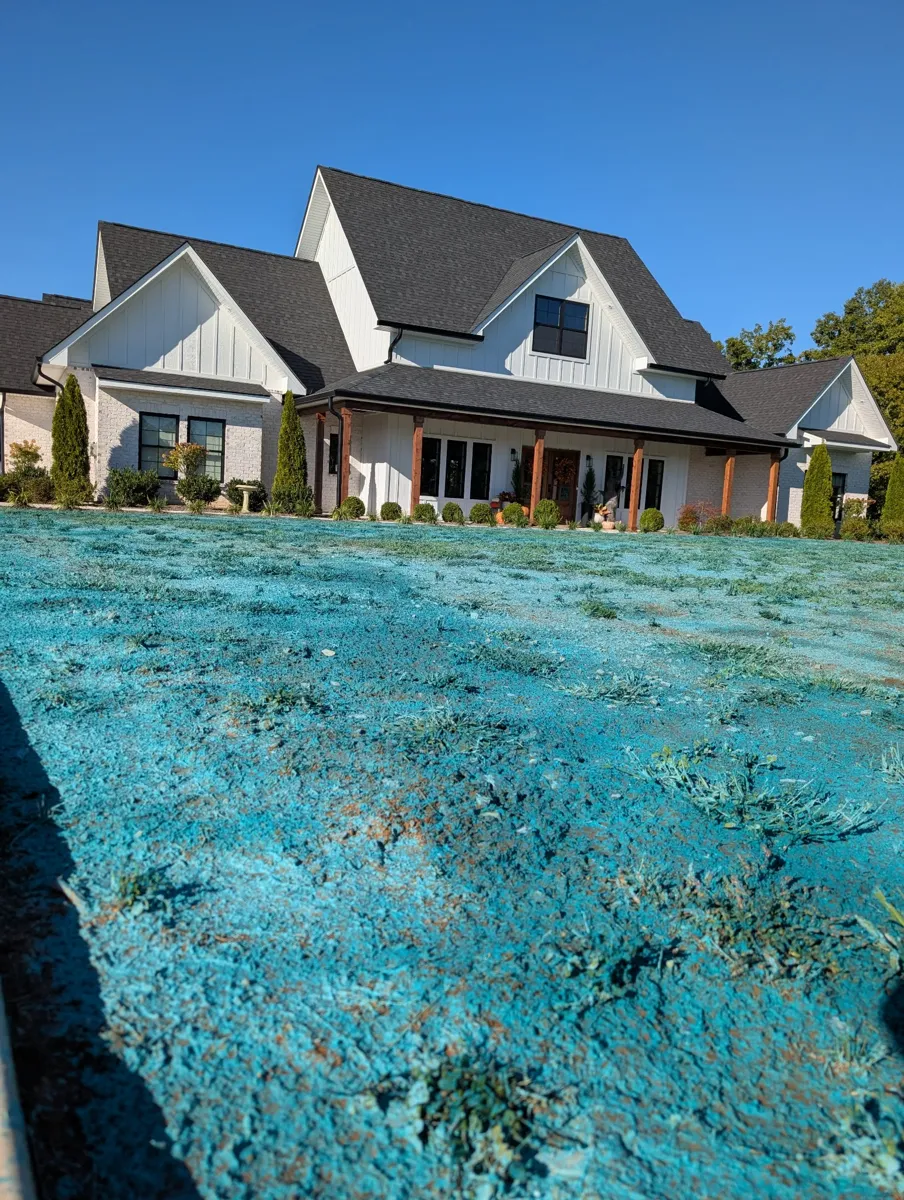
People watch a hydroseed job and see green spray covering their yard, and reasonably wonder what exactly is in that tank. It is a fair question with a short answer. The mix is seed, mulch, starter fertilizer, tackifier, and water, blended into a slurry and sprayed on in one pass. Each ingredient has one job, none of them is mysterious, and understanding the lineup helps you compare contractors and know what you paid for when the truck pulls away.
Seed is the point of the whole exercise. The blend is chosen for our region and the conditions on your property, things like sun, shade, and how the lawn will be used. Seed quality and the right blend for East Tennessee matter more than exotic extras. Good seed, kept damp in good contact with soil, is what becomes your lawn over the following weeks. Everything else in the tank exists to give that seed a better start than it would get scattered dry across bare ground in Knoxville weather.
Mulch is the workhorse you can see. It is typically wood fiber, paper, or a blend, and it does three things at once. It holds moisture against the seed so the surface does not dry out between waterings. It cushions the seed bed against the impact of rain. And as it breaks down, it adds a little organic matter to soil that, around here, is often scraped clay with very little life in the top layer. The green color people notice comes from a dye in the mulch that helps the applicator spray evenly. The dye fades. The mulch underneath keeps working while it lasts.
Starter fertilizer is the seedling's first meal. Young grass sprouts with almost no root system, so having a measured amount of nutrition right at the surface, where the tiny roots actually are, helps it establish instead of stalling out yellow and thin. Starter fertilizer is fine in the tank and is a normal part of a good mix. Here is the bright line worth remembering: weed-and-feed never goes in the tank. The herbicide in weed-and-feed kills germinating seed, so a mix containing it would defeat itself. Tenacity is the exception people ask about. It can go in the tank in the right situation, but not in clover mixes, because it will kill the clover.
Tackifier is the ingredient most people have never heard of and the one slope owners should care about most. It is a bonding agent, a kind of plant-safe glue, that helps the slurry stick to the soil and hold together as a mat. On flat ground it is a quiet insurance policy. On a slope in Halls, Farragut, or anywhere a yard tilts, tackifier is what keeps your seed and mulch on the hill during the first hard rain instead of redecorating the bottom of the driveway with it.
Water is both the carrier and the first watering. The slurry goes on wet, which means the seed starts its life already in contact with moisture, under its mulch blanket, instead of waiting for you to drag a hose out. From there, your light, frequent watering keeps the process going. If you want to see how these ingredients come together on an actual job, the rundown at Knoxville hydroseeding walks through the service step by step.
When you get quotes, ask each contractor to name their mix out loud. A good one will say seed, mulch, starter fertilizer, and tackifier without blinking, and will price the job plainly too: $700 per tank covering up to 2,500 square feet in the Knoxville area, or $6,000 per acre for larger properties. And if a small spot does not take afterward, we offer free return visits to fix it. To talk through what your yard needs in its tank, call 423-358-2317 or request a free quote.
Want it handled start to finish? The East Tennessee hydroseeding crew does the prep, the spray, and the follow-up.
Every yard is different. Get a free quote from East Tennessee hydroseeding before you decide.