The First Spring: What a Fall-Seeded Lawn Needs in March
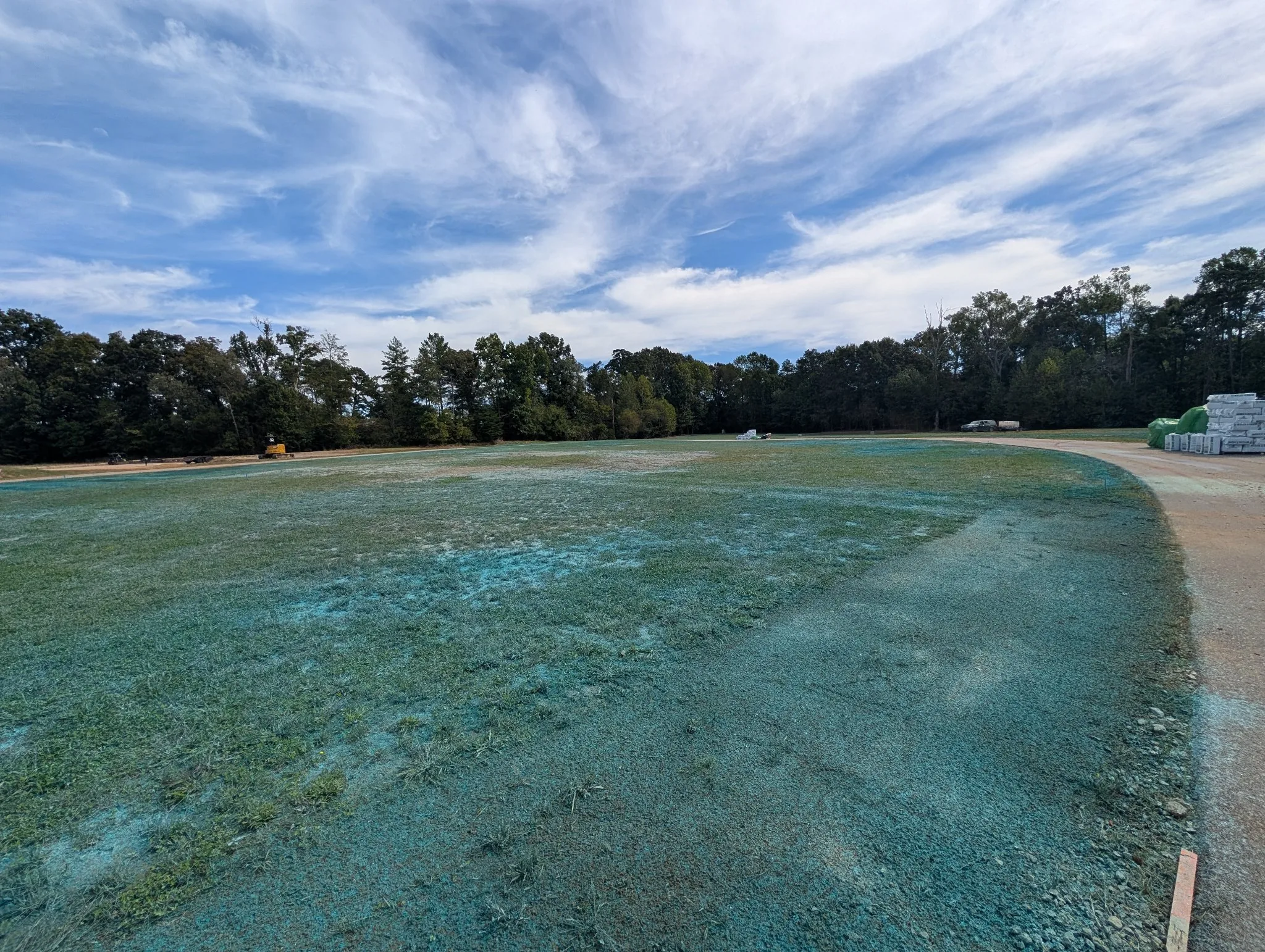
If you hydroseeded last fall, March is your lawn's first real test and its biggest opportunity. Through winter, that young grass built roots quietly while looking mostly asleep, and now the soil is warming, daylight is stretching, and the lawn is ready to grow in earnest. What you do in the first spring matters more than almost anything that comes after, because the grass is still young, its roots are shallower than a mature lawn, and it is about to face competition from every spring weed in the neighborhood. A little timely attention in March sets a fall-seeded lawn up to thicken beautifully. Neglect it, and thin spots invite weeds to move in rent-free.
First, walk the lawn and take stock before you touch anything. Look for areas that came in thin, spots where leaves matted down over winter, and any place water has been sitting. A young lawn will not look perfect in March, and that is fine. What you are checking for is living grass across most of the area, even if it is short and pale. Note the truly bare patches, anything bigger than a dinner plate with nothing growing, because those are candidates for a touch-up while spring conditions are still friendly. Small thin areas often fill in on their own as the grass tillers and spreads in April, so do not judge the lawn by its March worst spots.
Feeding is the next consideration, and timing beats quantity. A fall-seeded lawn got starter fertilizer when it was sprayed, and by spring it can use a modest feeding to support the growth surge, but heavy-handed fertilizing this early pushes soft growth and feeds weeds just as happily. Keep it moderate, and never reach for weed-and-feed on a young lawn without checking the label's age limits, because products that are fine on mature grass can harm grass that is still establishing. Remember the tank rule from seeding day applies in spirit all season: weed-and-feed never went in the tank because broadleaf herbicides kill young grass, and that same caution belongs in your spring decisions until the lawn has been mowed several times and is well rooted.
Mowing starts earlier than many people expect. As soon as the new grass reaches a height where a cut takes off just the top portion, mow it, with a sharp blade, on a dry day, and never cut more than about a third of the height at once. Regular mowing at the right height encourages fescue to thicken sideways instead of just growing tall and floppy, and it keeps spring weeds from shading the young grass. Keep the mower deck on the higher side through the first spring. Short scalping is the fastest way to stress a young lawn right before summer heat arrives, and East Tennessee summers will test this grass soon enough without your help.
Watering shifts in spring from the frequent light schedule of germination to a pattern that trains deeper roots. In a normal Knoxville March and April, rain does much of the work, but during a dry stretch of ten days or more, give the young lawn a thorough soaking rather than daily sprinkles. Deep, occasional water encourages roots to chase moisture downward, which is exactly the insurance this lawn needs for July. You can find a refresher on how your lawn was seeded and what it contains at Knoxville hydroseeding if you want to review the basics while planning spring care, and keep an eye on low spots where spring rain collects, since young grass tolerates puddles poorly.
Finally, be patient about the lawn's appearance compared to the mature yard next door. A first-spring lawn is a teenager, not an adult, and it will not hit its stride until it has a full season of growth and one more fall of thickening behind it. Your job this spring is simple support: feed modestly, mow right, water deeply when dry, and keep traffic light on soft wet ground. If a small spot does not take even with that care, remember we offer free return visits to touch it up, so a stubborn patch from fall does not have to become a permanent feature of the yard.
Your fall lawn's first spring is here and you are not sure it is on track? Call 423-358-2317 or request a free quote for a look, and we will tell you honestly what it needs and what it does not.
Want it handled start to finish? The East Tennessee hydroseeding crew does the prep, the spray, and the follow-up.
Every yard is different. Get a free quote from East Tennessee hydroseeding before you decide.