Soil Testing Before You Seed: pH, Lime, and East Tennessee Clay
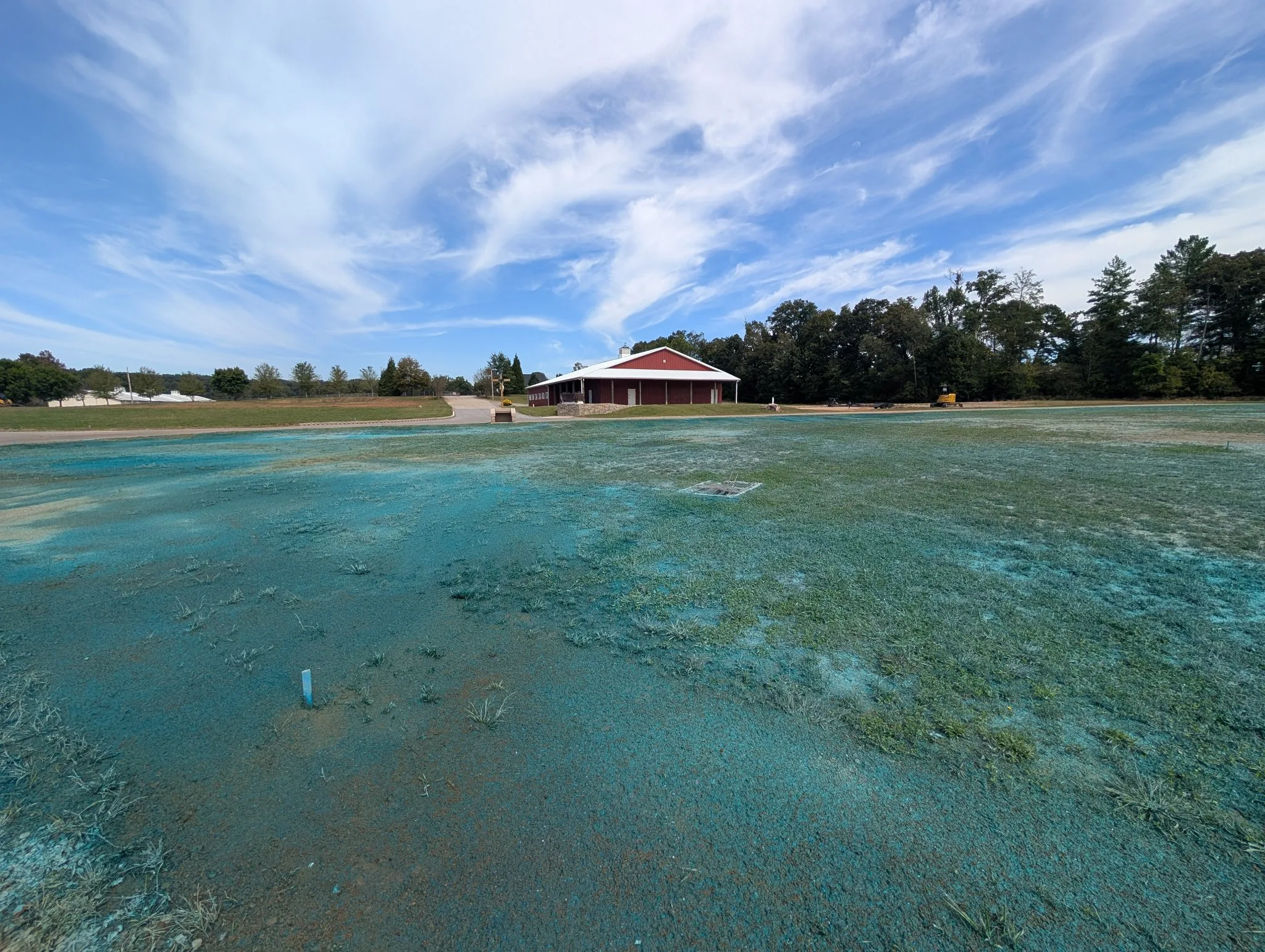
Grass seed gets blamed for a lot of problems that actually started in the soil. A lawn comes in thin and yellow, the seed gets called bad, and meanwhile the ground was too acidic for grass to use the nutrients sitting right in front of it. A soil test before you seed prevents that whole argument. It is a simple, unglamorous step that tells you your soil's pH and nutrient levels, and in East Tennessee, where clay and acidity travel together, it is one of the highest-value things you can do before spending money on a lawn.
pH is a measure of acidity, and grass is pickier about it than most people realize. When soil is too acidic, which is common across the Knoxville area, grass roots cannot take up fertilizer properly, so you can feed a lawn faithfully and watch it stay hungry. Lime is the standard correction for acidic soil, but the word standard is doing heavy lifting there. How much lime a yard needs depends entirely on the test result, the soil type, and the size of the area. Spreading lime by guesswork can underdo it, waste money overdoing it, or swing a yard that never needed it in the first place.
Getting a test is straightforward. You collect small samples from several spots around the area you plan to seed, mixed from the top few inches, let the sample dry, and submit it for analysis through the usual local channels. Testing the whole yard as one blended sample gives you a workable average for a typical lawn. If part of your property is a new construction pad of scraped subsoil and part is an older garden area, test those separately, because in East Tennessee those two grounds can be as different as if they were in different counties.
Timing matters with lime especially. Lime works slowly, over weeks and months, not days. That is an argument for testing well ahead of your seeding date rather than the week of the job, so any correction can begin working and, where the schedule allows, be incorporated into the top layer of soil during prep. Starter fertilizer, which goes in the hydroseed tank and is fine there, feeds seedlings at the surface right away. Lime is the long game underneath it. They do different jobs, and one does not replace the other, no matter what a bag at the store implies.
There is a related tank rule worth repeating while soil chemistry is on your mind. We never put weed-and-feed in the hydroseed tank, because its herbicide kills germinating seed. Tenacity can go in the tank in the right case, except in clover mixes. Soil testing and tank discipline come from the same philosophy: put the right thing in the ground, in the right amount, for a reason you can name. Guessing is how yards end up both over-treated and underfed at the same time.
Soil work also has an honest boundary. If testing and inspection reveal that your real problem is grade, a slope washing away, or ground that needs holding before anything can grow on it, seed is step two. For erosion problems that need a wall first, the crew at retaining wall contractor in East Tennessee handles that kind of work, and fixing the structure before seeding is money spent once instead of twice. Most Knoxville yards need nothing that dramatic, just a test, maybe lime, and decent prep, but it is better to know.
You can find more on how we prepare and seed local ground at Knoxville hydroseeding while you wait on test results. Hydroseeding itself is $700 per tank covering up to 2,500 square feet, or $6,000 per acre for larger properties, and if a small spot does not take afterward, we offer free return visits to address it. Call 423-358-2317 or request a free quote, and bring your soil test results if you have them. They make the first conversation twice as useful.
Want it handled start to finish? The East Tennessee hydroseeding crew does the prep, the spray, and the follow-up.
Every yard is different. Get a free quote from East Tennessee hydroseeding before you decide.