Rain Right After Hydroseeding: When to Worry and When to Relax
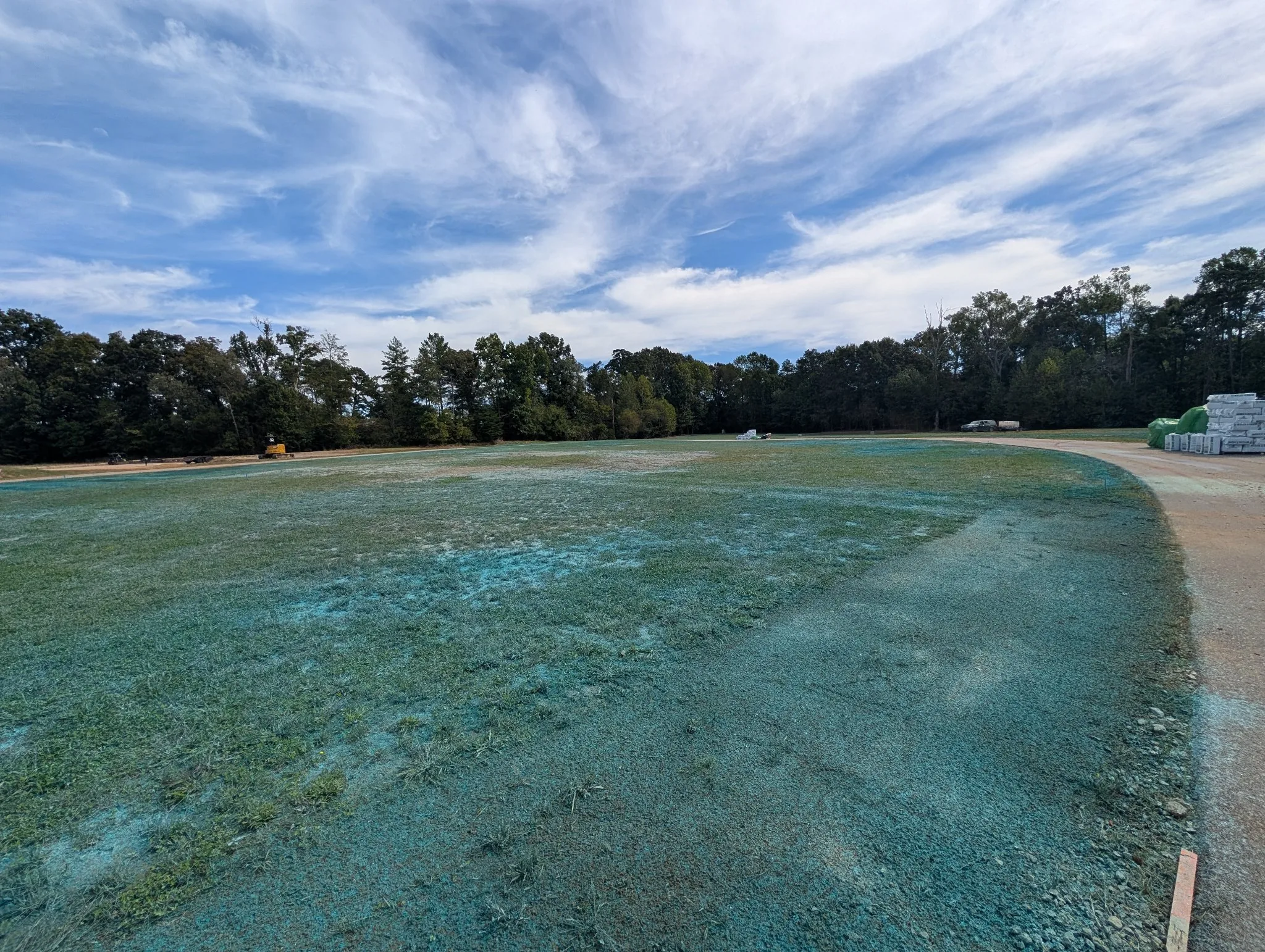
Few things make a new hydroseed customer reach for the phone faster than dark clouds the afternoon their yard was sprayed. In East Tennessee, where a forecast can call for sunshine and deliver a downpour by supper, rain after seeding is less an emergency than a regular event to be read correctly. Most rain is fine, some rain is genuinely helpful, and only a specific kind should worry you. Learning to tell them apart will save you stress through the whole first month of your lawn.
Start with the reassuring truth. Hydroseed is applied wet, and the mulch and tackifier in the mix are there in large part to handle weather. The tackifier helps the slurry cling to the soil, and the mulch forms a mat that absorbs the impact of raindrops instead of letting them blast seed loose the way they do on bare, dry-seeded ground. A light or moderate rain after application mostly does your watering for you. A slow rain that soaks in gently is about the best thing that can happen to a fresh job, which is why fall seeding in Knoxville, with its steadier rains, treats new lawns so kindly.
The rain that causes trouble is the violent kind: a hard, fast downpour, especially on a slope or on soil that was already saturated. That is the storm that cuts little channels through a yard, piles mulch at the bottom of a grade, and carries seed with it. You can diagnose it the next morning without guesswork. Walk the yard and look for rills and gullies, mulch drifted into lines or piles, and bare streaks where the flow ran. If the mulch layer is still broadly in place and the surface looks intact, the job is fine even if the storm sounded terrible from inside the house.
Slope and drainage decide how much rain is too much on your specific lot. Flat ground in Clinton can take a storm that would rearrange a hillside in Maryville. Low spots that pond are their own separate case: seedlings that sit underwater for days will struggle, and that points to a grading or drainage fix, not a seeding failure. After a big rain, also check where roof runoff and driveway water land, because concentrated flow from a downspout does more damage than the rain that fell on the yard itself, and redirecting a downspout is cheap insurance for a new lawn.
Your response after rain should be measured. Skip watering while the ground is wet, then resume your light, frequent schedule once the surface starts to dry. Do not rake or walk the yard heavily while it is soggy, since soft, saturated clay records every footprint. If a washout clearly stripped a section, resist the urge to scatter dry store seed on it the same day and create two different lawns on two schedules. Take a photo, watch the rest of the yard germinate, and let one plan fix the damaged area properly.
This is also where follow-through matters. If a small spot does not take, whether from a washout or a dry corner, we offer free return visits to address it, so a week-one storm is an inconvenience, not a second purchase. You can read more about what a job includes and how the mulch protects seed at Knoxville hydroseeding before or after your first storm rolls through.
If you are scheduling in the Knoxville area, do not let a rainy forecast scare you off a good fall window. Pricing stays simple at $700 per tank covering up to 2,500 square feet, or $6,000 per acre for larger properties. Call 423-358-2317 or request a free quote, and we will talk through your slopes and drainage so the first rain is a helper, not a headline.
Want it handled start to finish? The East Tennessee hydroseeding crew does the prep, the spray, and the follow-up.
Every yard is different. Get a free quote from East Tennessee hydroseeding before you decide.