New Lawn Hydroseeding in Knoxville: A Practical Plan for Bare Dirt
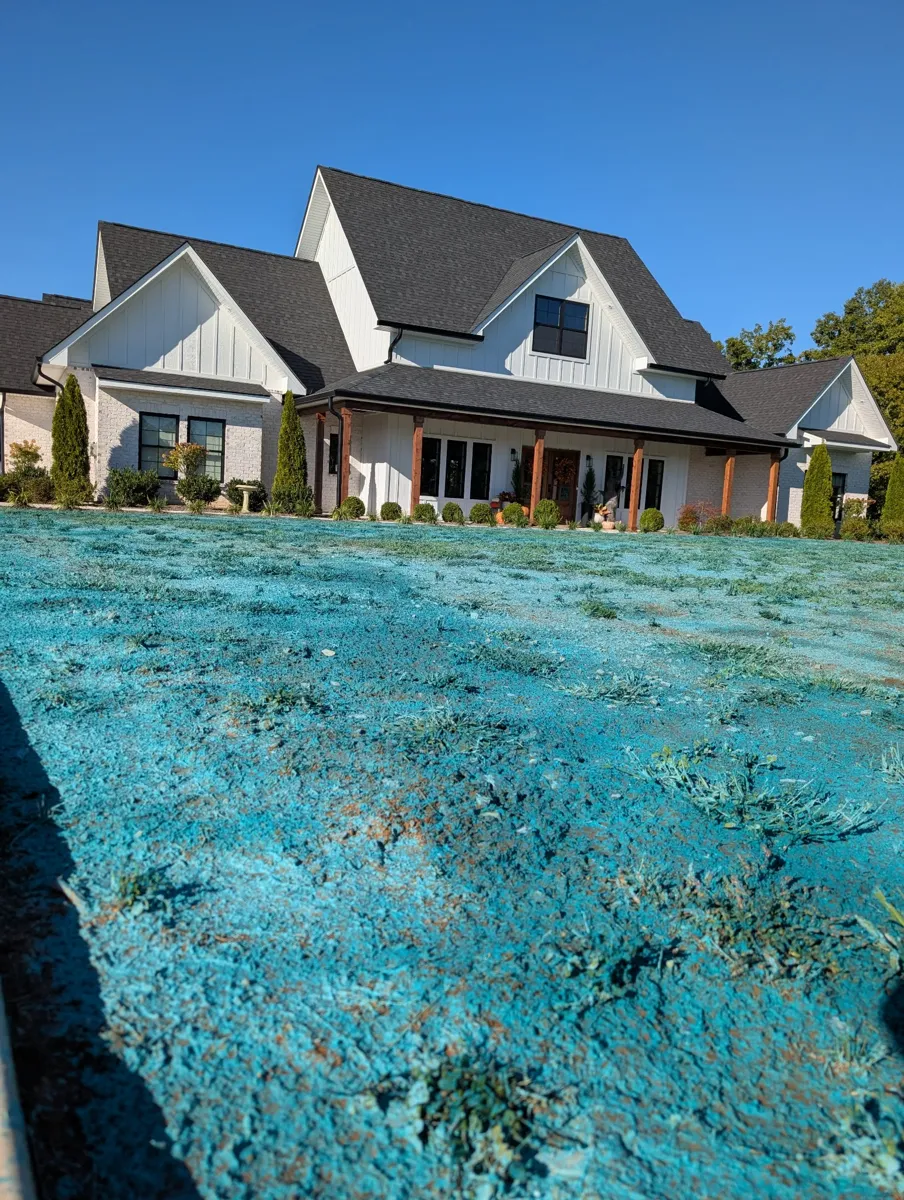
Starting a lawn from bare dirt in Knoxville is different from patching a few thin spots. There is no existing grass to protect the soil, no shade to hold moisture, and every hard rain can move dirt before roots have a chance to hold it. That is why new lawn hydroseeding in Knoxville is a practical middle path — more even and affordable than sod, and far more reliable than scattering dry seed and hoping the weather cooperates. If you are looking at a new build, a cleared lot, or a yard scraped during grading, Knoxville hydroseeding is worth understanding before you decide how to get grass growing.
Hydroseeding sprays seed, fertilizer, and mulch together in a water-based slurry. Instead of seed sitting loose on top of the ground, it lands already mixed with mulch that holds moisture against the soil and helps keep it in place. For a brand-new lawn, that contact matters. East Tennessee soil is often heavy red clay, especially after construction has removed the topsoil. Dry seed can sit on that hard surface, wash into low spots, or dry out between waterings. The mulch in a hydroseed mix does not fix poor soil by itself, but it gives seed a better chance to stay put, stay damp, and germinate evenly across the whole yard instead of coming up in streaks.
Timing is a big reason a new lawn started in mid-October can do surprisingly well here. Knoxville falls are long enough for cool-season grass to germinate and put down roots before winter, but the worst summer heat and weed pressure are behind us. Seed planted now keeps working underground even after top growth slows. Those roots develop through the cooler months, and when spring arrives the lawn is already established instead of just getting started. We tell people this plainly: fall seeding overwinters for better grass in year one. You may not get a thick, finished-looking lawn before the first frost, but you are building the root system that makes next spring and summer much easier.
Preparation decides more than most people expect. A new lawn should not be sprayed over chunky fill dirt, scattered rock, or deep tire ruts and called done. The surface needs to be graded so water drains away from the house, debris picked up, and low areas filled so seed does not pool. Gentle slopes hydroseed well because the mulch helps hold everything in place. Very steep banks may need extra attention, and in some cases erosion has to be dealt with before seed can be expected to hold. An honest look at the grade before the truck arrives saves disappointment later.
Cost is usually the first question, and for a new lawn it helps to think in coverage, not guesswork. Our pricing is straightforward: $700 per tank, and one tank covers up to 2,500 square feet. A typical smaller residential yard may take one or two tanks depending on the actual bare area, not the total lot size — driveways, the house footprint, beds, and patios do not get sprayed. For larger properties, the rate is $6,000 per acre. That makes hydroseeding especially practical for bigger lots, new homes on acreage, and properties where sod would be hard to justify. If you are unsure how much bare ground you have, ask for a quote and let us measure it with you.
Watering is the part the homeowner controls, and it matters for the first few weeks. A new hydroseed lawn needs to stay damp, not flooded. Short, frequent waterings are better than one heavy soak that runs off clay or pushes mulch downhill. In October that usually means less watering than a July lawn would need, because nights are cooler and evaporation is slower, but a string of dry, windy days can still dry the surface out. Keep foot traffic light, keep leaves from matting on the new seed, and do not mow until the grass is tall enough not to tear young roots.
It also helps to set the right expectations for how a new lawn fills in. Hydroseed often shows green fairly quickly when moisture and soil temperatures are right, but a thin first haze of grass is not a finished lawn. Density comes as the plants spread and roots deepen. Some areas — a shaded corner or a spot where water stands — may come in slower than the open middle of the yard. That is normal on a first planting from bare dirt. If a small spot does not take, we offer free return visits to address it. That follow-up is part of why many people choose a service instead of guessing at seed rates and mulch on their own.
For Knoxville homeowners weighing sod, dry seed, and hydroseeding, the decision comes down to budget, lot size, and patience. Sod gives instant cover but costs the most. Dry seed is cheapest but easiest to lose to one heavy rain. Hydroseeding sits in between: you wait for it to grow in, but seed, feed, and mulch go down evenly in one pass. If you have bare dirt in Knoxville, Fountain City, Halls, Powell, or Farragut and you want a clear number before you commit, call 423-358-2317 or request a quote. Tell us how large the bare area is and when grading will be done, and we will help you time it for the best start this fall.
Want it handled start to finish? The East Tennessee hydroseeding crew does the prep, the spray, and the follow-up.
Every yard is different. Get a free quote from East Tennessee hydroseeding before you decide.