Hydroseeding on East Tennessee Clay: Getting Grass to Grow Where Nothing Wants To
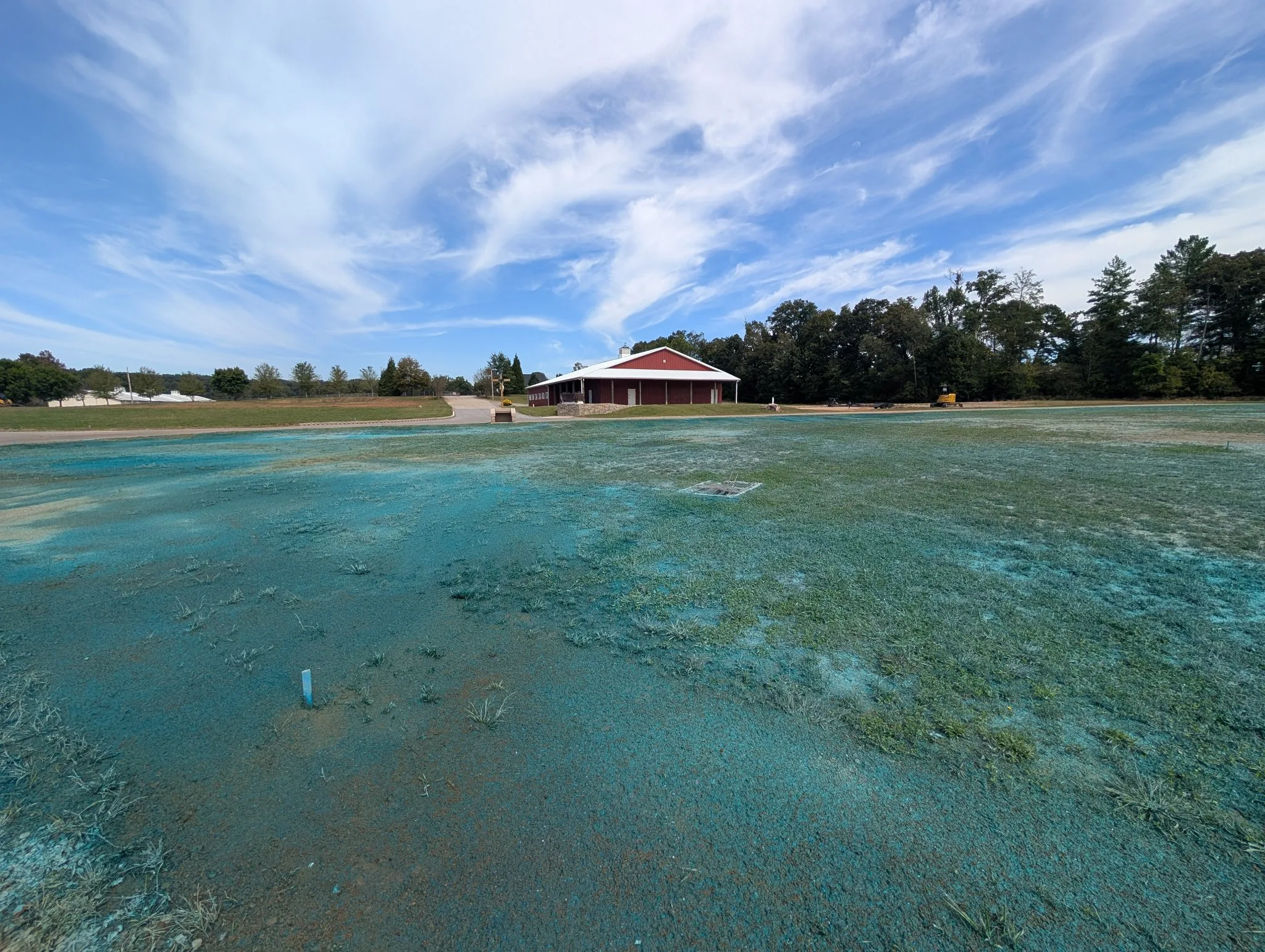
Anyone who has dug a hole in East Tennessee knows the ground we are talking about. A few inches down, sometimes right at the surface, you hit red clay that is slick when wet and hard as brick when dry. Builders scrape it flat, rain pounds it smooth, and then homeowners wonder why grass seed just sits there. Clay is not hopeless. Some of the best lawns in Knoxville started on clay. But clay does punish shortcuts, and it rewards a few specific things done in the right order.
The first thing to understand is that clay holds water and nutrients well once grass is established, which is a genuine advantage in a dry summer. The problem is getting started. Clay particles are tiny and pack tight, so water moves through slowly and air barely moves at all. Seed scattered on a hard, crusted clay surface has poor contact with the soil, dries out between waterings, and washes in the first hard rain. Roots that do sprout struggle to push into ground that has been compacted by equipment or foot traffic.
Prep is where clay jobs are won or lost. Loosening the top couple of inches, grading out ruts and low spots where water ponds, and removing rocks and debris gives seed a fighting chance. On new construction lots around Hardin Valley and Lenoir City, that often means working with what the builder left, which can be rough. You do not always need truckloads of new topsoil, and anyone who tells you that automatically may be selling you something. What you do need is a surface the seed can touch, settle into, and stay damp on.
That is where hydroseeding helps on clay in particular. The slurry of seed, mulch, starter fertilizer, and tackifier goes on wet and clings to the surface instead of bouncing off or pooling in footprints. The mulch layer holds moisture against the seed through the hot part of the day, which matters more on clay than almost anywhere else because the surface swings so fast from muddy to baked. Starter fertilizer is fine in the tank and gives seedlings an early feed right where they sprout. We never put weed-and-feed in the tank, because that herbicide kills germinating seed, and that rule matters even more when germination is already working against tough ground.
Seed choice and timing do quiet, important work too. Blends suited to the Knoxville area and planted in fall have a real edge on clay, since cooler air means less surface drying while roots develop, and fall rains tend to be gentler than spring downpours. Spring plantings on clay can succeed, but they need closer watering attention and they head into summer heat with shallower roots. If your lot is bare clay in midsummer with no irrigation plan, waiting for fall is often the smartest and cheapest decision you can make, even if it is not the one you wanted to hear.
Watering on clay takes a light touch. Because clay absorbs slowly, long sprinkler runs pond and run off instead of soaking in. Shorter, more frequent cycles keep the seed bed damp without creating a mudslide. Watch the low spots as well. Seedlings sitting in standing water after every rain will thin out, and that is a drainage and grading issue to fix, not a seed issue to keep reseeding over.
Set your expectations honestly and clay will usually cooperate. Germination may be a little slower in the tightest spots, and a small area that does not take is not a disaster. We offer free return visits if a small spot does not take, which takes some of the risk out of a tough lot. There is more on how we approach local soil at Knoxville hydroseeding if you want the full picture before you start.
If you have a clay yard in the Knoxville area and want a straight assessment of what it needs, call 423-358-2317 or request a free quote. Pricing is simple at $700 per tank covering up to 2,500 square feet, or $6,000 per acre for larger properties, and we will tell you if your ground needs prep work first rather than spray and hope.
Want it handled start to finish? The East Tennessee hydroseeding crew does the prep, the spray, and the follow-up.
Every yard is different. Get a free quote from East Tennessee hydroseeding before you decide.