Hydroseeding a Backyard Renovation: Killing the Old Lawn and Starting Over
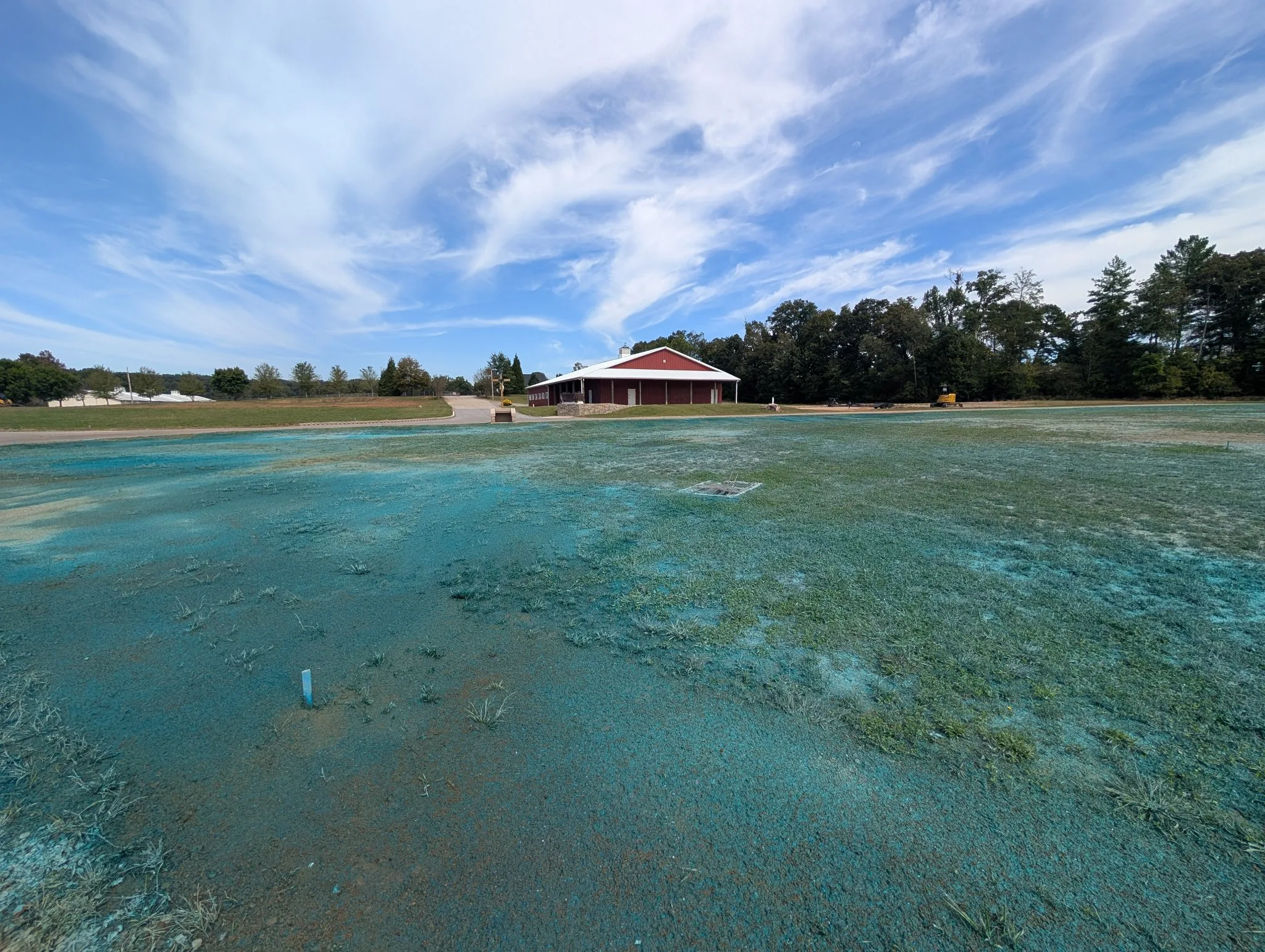
There comes a point with some Knoxville backyards where patching is just a polite word for wasting money. If the yard is mostly weeds, bare dirt, and a few brave sprigs of grass hanging on out of habit, a full renovation is the honest answer. Hydroseeding a backyard renovation means clearing out what is there, preparing the ground properly, and giving the whole space a fresh, even start in one application instead of five disappointing ones.
The first decision is how the old lawn goes. A weed-choked yard needs to be killed off or stripped down so the new seed is not competing from day one with everything that already defeated the last lawn. That process takes some lead time, so a renovation is planned, not improvised on spray morning. Timing the kill-off, the cleanup, and the spray in the right order is what separates a clean new stand from a yard where the old weeds poke through the new grass within a month.
After the old growth is down, cleanup and prep decide the result. Dead material should be removed or worked down so seed can reach soil. Bare, compacted areas need loosening, ruts and low spots are a good opportunity to smooth out, and rocks and debris should come up. This is also the moment to fix small grading annoyances, like the dip that always holds water by the back steps, because once the new lawn is established, nobody wants to dig it up again for a problem they saw clearly in November.
Renovation day itself is straightforward. The hydroseed mix of seed, mulch, and starter fertilizer is sprayed evenly across the whole prepared backyard. Starter fertilizer belongs in the tank and helps the new grass get moving. Weed-and-feed never goes in the tank, since its broadleaf herbicides can kill germinating seed, which would defeat the entire purpose of a renovation. The mulch gives the yard that familiar green cast and helps hold moisture while roots establish.
Cost is a big reason renovations lean toward hydroseeding instead of sod. We charge $700 per tank, with one tank covering up to 2,500 square feet, and $6,000 per acre for larger properties. A typical backyard renovation often lands in the one to three tank range, which means a homeowner can replace an entire failed yard for a number they can understand in advance, instead of pricing sod by the pallet and wondering how the total climbed so fast.
The weeks after spraying are where the homeowner earns their lawn. Keep the ground damp with short, frequent watering while seed germinates. Keep kids, dogs, and equipment off the soft new ground as much as real life allows, especially in the first couple of weeks. Fence off a dog run area if you can, or accept that the highest-traffic corner will be the last to fill in. Young grass that gets a fair first month usually rewards you, and young grass that gets trampled daily usually does not, no matter how good the seed was.
Plan your expectations by season. A fall renovation in East Tennessee often sprouts quickly, slows as winter arrives, and thickens impressively in spring. A renovation will still show its seams early on, a thinner spot here, a slower corner there. That is normal. We offer free return visits if a small spot does not take, so a lagging patch is something to report and fix rather than a reason to declare the whole project a failure. Background on the process is at Knoxville hydroseeding if you want to read up before committing your yard.
If your backyard is more weed patch than lawn, stop patching and price a real restart. Call 423-358-2317 or request a free quote, and we will tell you whether your yard needs a full renovation or can honestly be saved with less.
Want it handled start to finish? The East Tennessee hydroseeding crew does the prep, the spray, and the follow-up.
Every yard is different. Get a free quote from East Tennessee hydroseeding before you decide.