How to Hydroseed a Lawn in Knoxville: From Bare Dirt to Green Grass
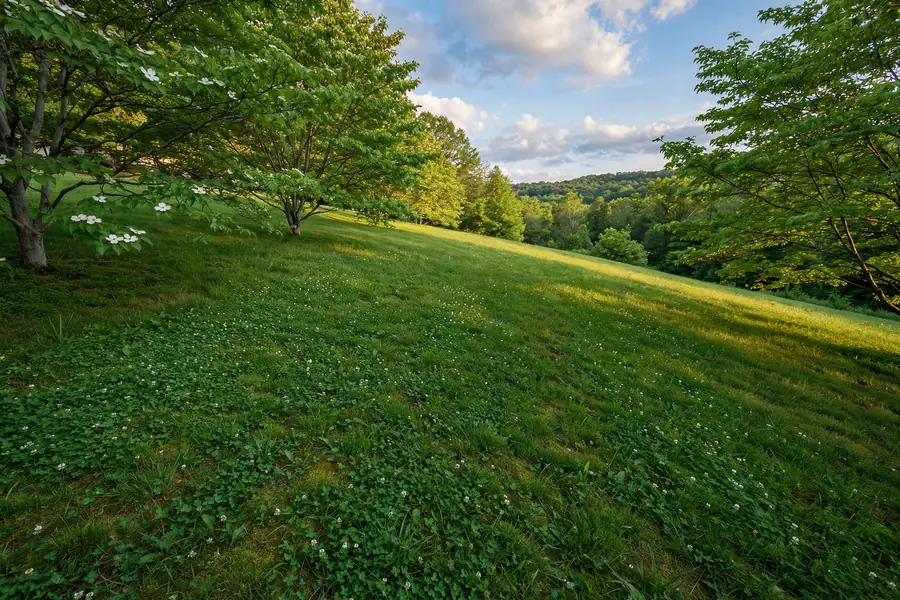
If you are staring at bare dirt in Knoxville and wondering how it ever becomes a real lawn, you are not alone. New builds, graded yards, and tired patches all start the same way — exposed soil that washes a little more with every rain. Hydroseeding is the middle path most homeowners land on: faster and more even than throwing seed by hand, and far less expensive than sod. That is exactly what Knoxville hydroseeding is built for — turning bare ground into grass without the sod price tag.
Here is how it works, in plain terms. Seed, fertilizer, mulch, and water are mixed together in a tank into a thick slurry. That slurry is sprayed evenly over your prepared soil. The mulch holds moisture against the seed, helps keep it from washing away, and gives you a clear picture of where coverage went down. You can see the green layer the day it is sprayed, so there is no guessing about thin spots the way there is with dry seed scattered on top of dirt.
Preparation matters more than most people expect. Loose, rough soil gives seed something to settle into. Smooth, packed red clay sheds water and seed alike. If your yard was just graded, that is actually a good starting point, as long as the surface is not compacted hard by equipment. Rocks, old roots, and construction debris should come out first. On Knoxville's clay-heavy ground, a light roughing of the surface before spraying makes a real difference in how evenly the new grass comes in.
Timing is the next decision. In East Tennessee, fall is the strongest window for a new lawn. Cooler air takes stress off young grass, the soil is still warm enough for germination, and fall seeding overwinters for better grass in year one. Roots keep developing under the surface even when top growth slows, so a lawn seeded in fall often starts spring ahead of one seeded in spring. Spring can work too, but it usually means more watering and more competition from weeds as temperatures climb.
Size and cost are straightforward here. One tank is $700 and covers up to 2,500 square feet — enough for a lot of typical front yards and patchy areas that need a full restart. For larger properties, the rate is $6,000 per acre. Measure the bare area you actually want sprayed, do the simple math, and you have a ballpark before you ever pick up the phone.
The first two weeks decide a lot. New hydroseed needs to stay damp, not drowned. Short, frequent watering is better than one long soak that pools and moves seed around. On a warm, sunny slope you may need to water more often than on a flat, shaded lot. The mulch layer helps, but it is not a substitute for water. Once grass is up and growing, you can slowly stretch the time between waterings so roots chase moisture deeper into the soil.
Germination is not instant, and it does not all happen on the same day. Shady corners usually lag behind sunny areas, and that patchy early look is normal. Watch for steady progress — more green each week and fewer bare gaps. Avoid heavy foot traffic, and hold off mowing until the new grass is tall enough that a first cut will not tear it out by the roots.
People often ask how this compares to the other options. Dry seeding is cheaper up front, but seed on the surface is exposed to birds, wind, and runoff. Sod looks finished the same day, but you pay for that instant result. A hydroseed lawn sits between the two: even coverage, seed held in place by mulch, and a cost that makes sense for a whole yard.
There are a few honest limits to know. Hydroseeding will not fix a drainage problem, and it will not hold on a slope that is actively sliding or washing out in channels — that ground needs grading or drainage work first. It also will not overcome deep, all-day shade. Grass needs some sun. A straight conversation about those spots up front saves disappointment later and points you toward the right fix for that part of the yard.
The follow-through matters too. If a small spot does not take, we come back for free and take care of it. That guarantee is part of why homeowners are comfortable seeding a whole yard at once instead of doing a little at a time and hoping it blends. Most lawns do not need a return visit when prep and watering are right, but it is good to know a thin corner is not the end of the story.
If you are planning a hydroseed lawn in Knoxville this fall, the steps are simple: clear and rough the soil, spray while the fall window is open, water little and often, and give it a few patient weeks. East Tennessee hydroseeding works best when those pieces line up, and none of them need to be complicated.
Ready to get a number on your yard? Call 423-358-2317 or request a quote. Tell us roughly how many square feet of bare ground you have, and whether it is flat or sloped, and we will give you a clear price — $700 per tank up to 2,500 square feet, or $6,000 per acre for larger properties.
Want it handled start to finish? The East Tennessee hydroseeding crew does the prep, the spray, and the follow-up.
Every yard is different. Get a free quote from East Tennessee hydroseeding before you decide.