How Builders Use Hydroseeding: From Final Grade to Finished Lawn on New Homes
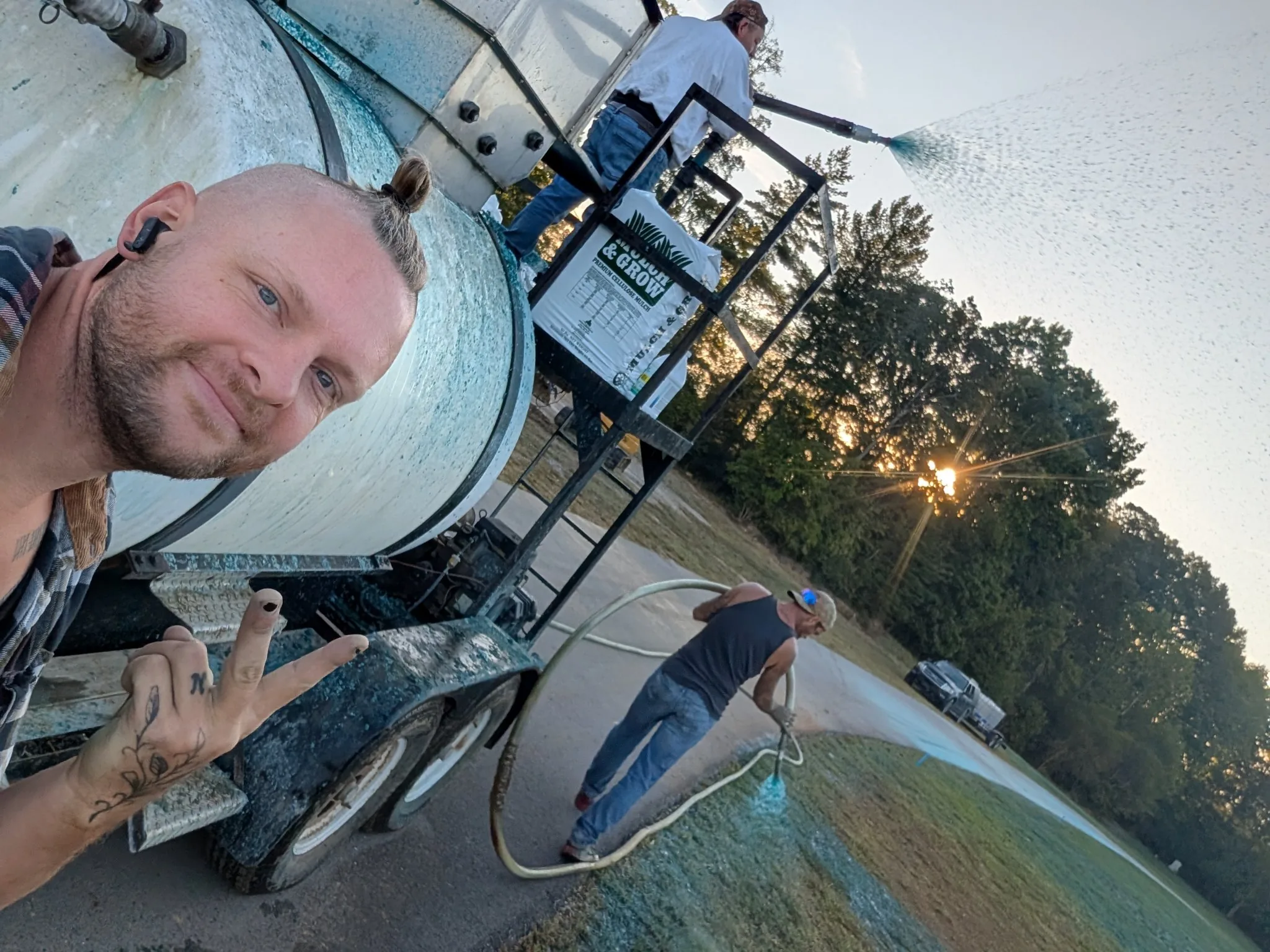
Drive through any growing Knoxville subdivision and you can spot the exact week a house stopped being a construction site. It is the week the yard turned green. Builders use hydroseeding at that moment for practical reasons: it is fast, it covers a whole lot evenly, it controls mud and erosion, and it costs far less than sodding every new home in a phase. Understanding where it fits in the building sequence helps buyers and builders alike set the right expectations.
The sequence starts with final grade. Before any seed goes down, the lot is shaped to shed water away from the house, smoothed out from construction ruts, and cleared of the rocks, scrap, and debris that building leaves behind. Hydroseed sprayed over a rough, trash-strewn lot will look rough and patchy no matter how good the mix is. Good builders and good applicators agree on this point: the lawn you get is largely decided by the grade and prep underneath it.
Once the grade is set and driveways, sidewalks, and patios are in, hydroseeding can cover the lot in a single visit. Seed, mulch, and starter fertilizer go down together in an even spray. Starter fertilizer is fine in the tank and gives the new stand a fed start. Weed-and-feed never goes in, because broadleaf herbicides can kill germinating seed, and a builder who has sold a green lawn cannot afford a mix mistake that keeps it brown.
Timing the spray against the rest of the job takes a little coordination. Spray too early and the last trades, deliveries, and inspections will track across fresh seed with trucks and boots. Spray too late and a closing can slip, or a lot can sit bare through a rainy stretch and erode. Most builders aim for a window after heavy work ends and before final walkthroughs begin, so the yard a buyer sees at closing is sprouting and clearly on its way, even if it is still young.
The economics are why hydroseeding, not sod, is the default on most new East Tennessee homes. Our rate is $700 per tank, with one tank covering up to 2,500 square feet, and $6,000 per acre for larger properties like model home sites or common areas. Multiplied across a street of new homes, the savings versus sod are enormous, and buyers generally prefer a lower home price and a young lawn over paying sod money rolled into a mortgage for thirty years.
New homeowners should know what they are inheriting. A hydroseeded new lawn is a starting point, not a finished product on closing day. It needs watering in short, frequent cycles while it germinates, patience through its first mowings, and light foot traffic while roots establish. Builders who explain this clearly at closing have happier buyers than builders who promise an instant golf course. If you are buying new construction, ask when the yard was sprayed and what seed went down, so your care matches the lawn's actual age.
Erosion is the quiet second job the new lawn does. A graded lot without cover will wash in East Tennessee rain, sending mud onto sidewalks, into streets, and toward storm drains. The hydroseed mulch helps hold the surface from day one, and the growing grass locks it in for good. More on how that application works, for builders and buyers alike, is at Knoxville hydroseeding for anyone wanting the details behind the green they see in new subdivisions.
We also offer free return visits if a small spot does not take, which is useful on new lots where a utility trench or a shaded side yard lags the rest. If you are a builder pricing a phase, or a buyer whose new yard needs help, call 423-358-2317 or request a free quote, and we will talk through your lot, your timeline, and your closing date.
Want it handled start to finish? The East Tennessee hydroseeding crew does the prep, the spray, and the follow-up.
Every yard is different. Get a free quote from East Tennessee hydroseeding before you decide.