Dormant Seeding: Planting in Late Fall for a Spring Lawn
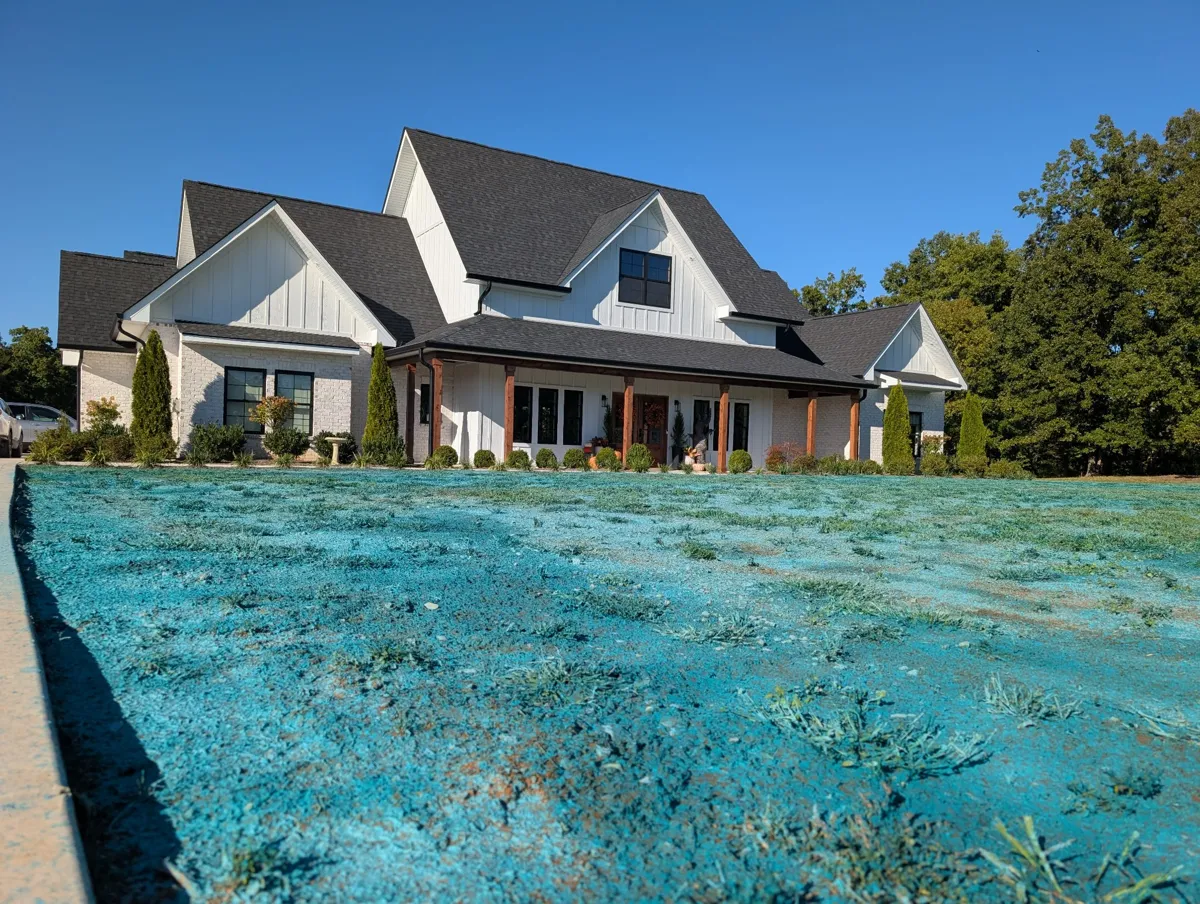
Every fall in East Tennessee there is a point where a homeowner looks at a bare yard and figures the season got away from them. Maybe the house closed late, maybe the grading ran long, maybe summer projects ate the good September weekends. Dormant seeding exists for exactly that situation. It means putting seed down late in the fall, after soil is cold enough that the seed will not germinate yet, and letting it sit in the ground through winter so it is already in place when the first warm stretch of spring arrives.
The idea is simple and it leans on how seed actually behaves. Seed that stays dry and cold does not sprout, it waits. Through winter in the Knoxville area, freeze and thaw cycles work the seed gently into the soil surface, which improves the seed-to-soil contact that germination depends on. When soil warms in spring, that seed starts days or weeks ahead of anything you could spread then, because it does not have to wait for you to notice the weather, rent equipment, or find a free Saturday. Mother Nature handles the starting gun.
Timing is the part people get wrong in both directions. Seed too early in a warm fall and it germinates right away, sending up tender sprouts that a hard freeze can damage and leaving you with a half-started lawn heading into winter with shallow roots. That early fall window is actually prime time for normal seeding in our area, so if soil is still warm enough to sprout seed, just seed normally and water it. True dormant seeding waits until sustained cold has arrived and germination is off the table until spring. In East Tennessee that is a late fall call, and it shifts a bit year to year with the weather.
There are honest trade-offs to weigh. Some dormant seed will be lost over winter. Birds find some of it, hard rains move some of it, and a percentage simply will not make it to spring, which is why dormant jobs are often applied with that loss in mind. It is not as efficient as a well-timed September seeding. What it buys you is position. On a new construction lot in Lenoir City or Seymour that finished too late for fall germination, dormant seeding beats a bare mud yard all winter, both for looks and for holding soil in place when winter rains come through.
Watering, at least, is easy. Dormant seed needs none of your sprinkler routine through winter, since you are not trying to germinate anything yet. Winter precipitation does the keeping for you. Your job resumes in early spring, watching for sprouting as soil warms and being ready to water lightly if a dry stretch hits right as germination starts. That early spring dry spell is the one risk to plan around, because seed that has begun to sprout and then dries out is in the same danger as any new seed.
Hydroseeding works well for dormant jobs because the mulch and tackifier hold the seed in place through months of winter weather instead of leaving it loose on the surface for every storm to rearrange. Pricing follows the usual structure: $700 per tank covering up to 2,500 square feet, and $6,000 per acre for larger properties in the Knoxville area. More on how timing choices affect a job is at Knoxville hydroseeding if you are weighing dormant seeding against waiting for March.
And if a small spot does not take come spring, we offer free return visits to address it, so a winter loss in one corner can be corrected without redoing the yard. If your fall slipped away and you want to talk through whether dormant seeding fits your lot, call 423-358-2317 or request a free quote. We will look at the calendar and your ground and give you a straight answer, even if that answer is to wait.
Want it handled start to finish? The East Tennessee hydroseeding crew does the prep, the spray, and the follow-up.
Every yard is different. Get a free quote from East Tennessee hydroseeding before you decide.